Top 10 Best Sports in the United States Now
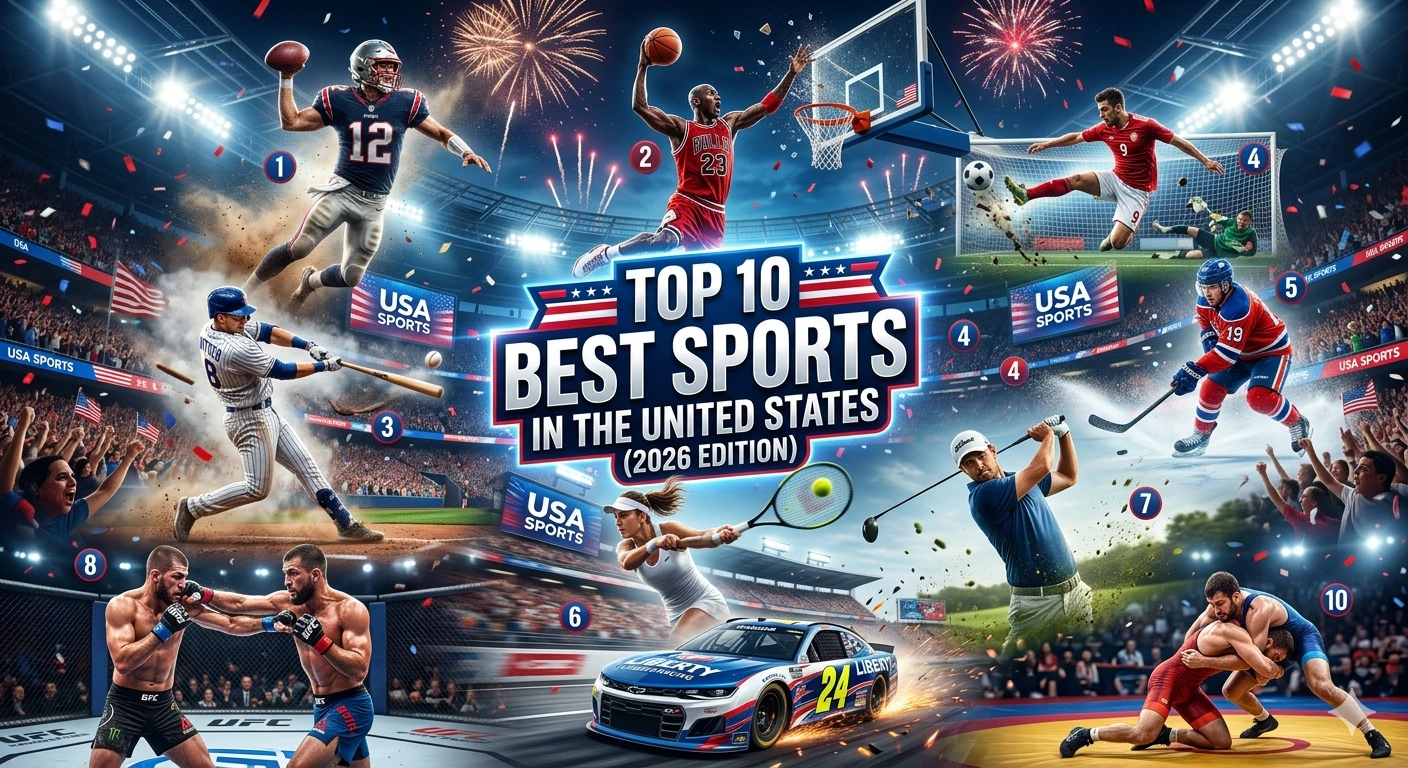
Top 10 Best Sports in the United States Now
There are few things that unite Americans across political lines, geographic divides, and cultural differences quite like sports. From the frozen rinks of Minnesota to the sun-drenched baseball diamonds of Southern California, the United States has built one of the most robust and diverse sports cultures in the world.
Think about it: Super Bowl Sunday is practically a national holiday. The NBA Finals can stop a city. The Masters turns casual golf watchers into devoted fans for one magical week every April. Sports are woven into the very fabric of American life — and that’s not hyperbole.
The numbers back it up. The U.S. sports industry generates over $80 billion annually, and that figure continues to climb. Combined TV viewership across major sports leagues reaches into the hundreds of millions every single season. Stadium attendance, merchandise sales, sports betting, and media rights deals paint a picture of an industry that isn’t just surviving — it’s thriving.
But popularity alone doesn’t capture the full story. The best sports in the United States are those that shape communities, inspire youth, drive economic growth, and create cultural moments that get talked about for generations. In this 2026 edition, we break down the top 10 sports in America with fresh data, current trends, and a look at what the future holds.
Let’s get into it.
Ranking Criteria
Before diving into the list, here’s how we evaluated and ranked each sport:
- Popularity — How widely recognized and followed is the sport across the country?
- Fan Base — Size, passion, and geographic reach of the fan community.
- TV Viewership — Nielsen ratings and streaming numbers during regular seasons and postseason events.
- Participation Rates — How many Americans actively play the sport at recreational, amateur, or professional levels?
- Revenue Generation — Ticket sales, broadcast deals, merchandise, and sponsorships.
- Cultural Significance — The sport’s lasting impact on American identity, media, and social conversation.
With those benchmarks established, here are the top 10 best sports in the United States heading into 2026.
Top 10 Best Sports in the United States
1. American Football (NFL)
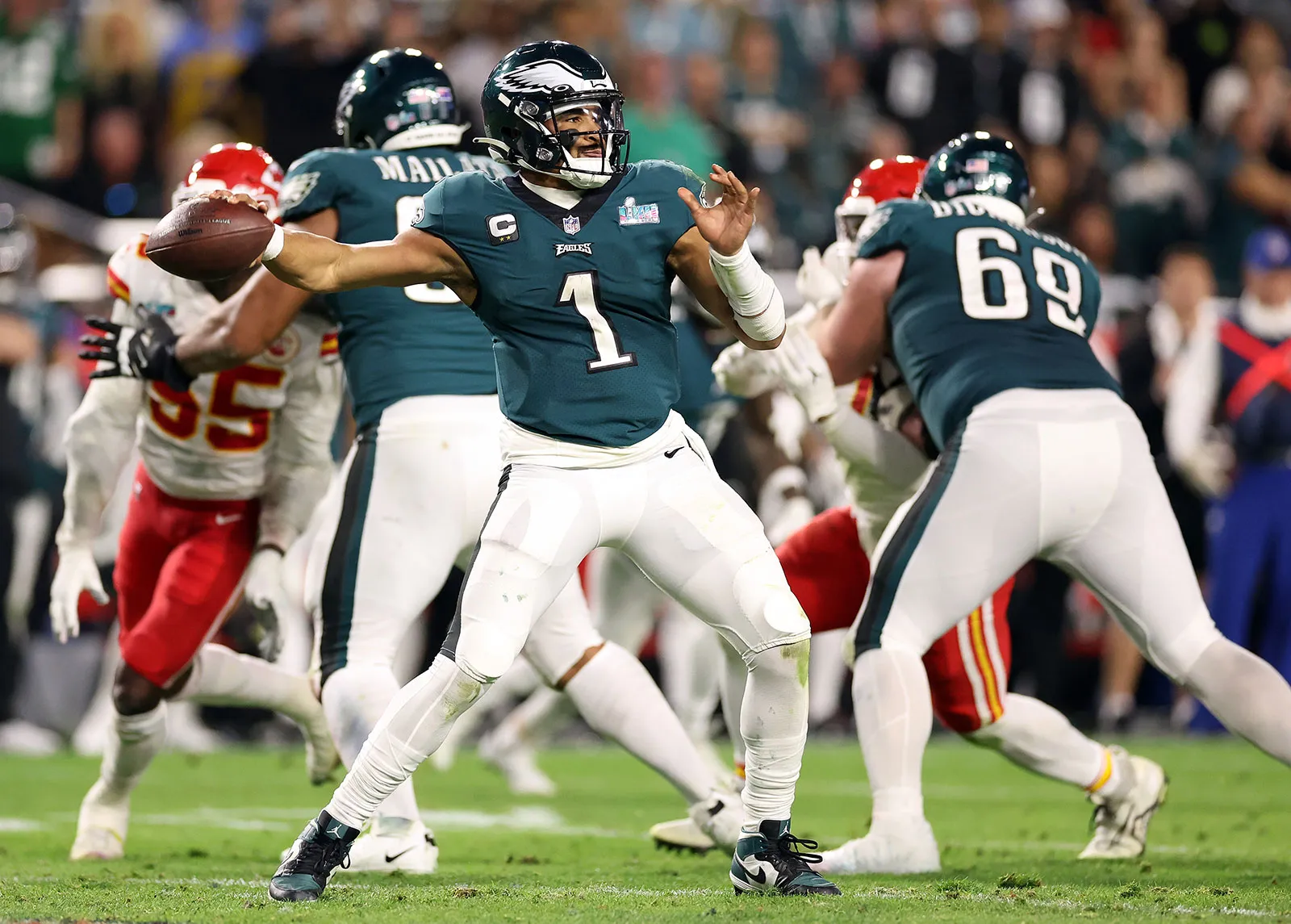
The undisputed king of American sports.
American football has held the throne for decades, and nothing in 2026 suggests that’s changing anytime soon. The NFL routinely dominates television ratings, with the Super Bowl consistently ranking as the most-watched television event in U.S. history — year after year. The 2025 Super Bowl drew over 123 million viewers, continuing the league’s grip on the nation’s attention.
NFL Annual Revenue: $23 Billion+
Super Bowl Viewership: 115 Million+
What makes football so deeply embedded in American culture? It’s a combination of tribal loyalty, strategic complexity, and appointment viewing unlike any other sport. Communities rally around their teams from September through February, and the NFL has mastered the art of making every single game feel like an event. Top 10 Best NFL Running Backs in 2026
Major competitions: NFL Regular Season, NFL Playoffs, Super Bowl
Icons of the game: Patrick Mahomes, Josh Allen, Lamar Jackson, and retired legends like Tom Brady whose influence still echoes through the sport.
Fan following: The NFL boasts 32 franchises spread across the country, ensuring nearly every major market has a team to root for. Fan engagement online is staggering — NFL content dominates social media every week of the season.
Future outlook: With expanding international games in London, Munich, and São Paulo, the NFL is aggressively building a global footprint while maintaining its iron grip on the American market. The league’s media rights deals, worth over $100 billion through the 2030s, ensure its dominance for years to come. Top 10 Best NFL Teams of All Time
2. Basketball (NBA)
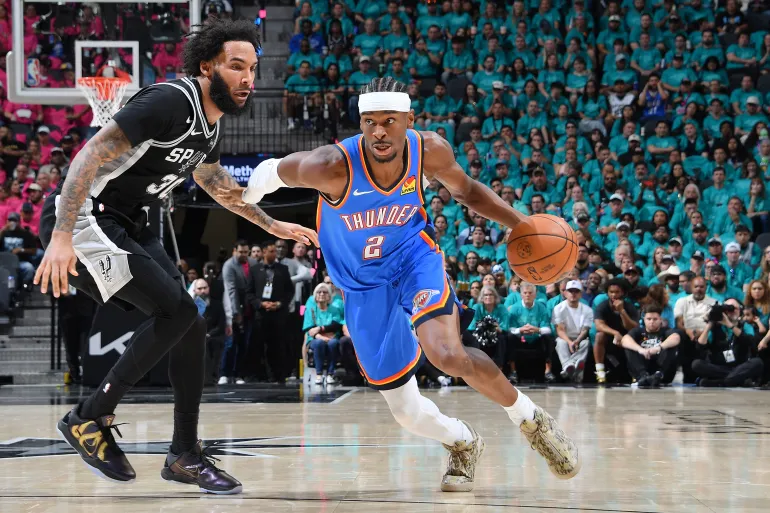
Cool, global, and culturally electric.
If the NFL owns fall and winter weekends, the NBA owns the cultural conversation year-round. Basketball has evolved far beyond the hardwood — it’s a lifestyle, a fashion statement, and a platform for athlete expression that resonates with younger generations like no other major sport.
The NBA is arguably the most globally marketed U.S. sports league. With players from over 40 countries suiting up each season, and games broadcast in more than 200 territories worldwide, basketball’s reach is extraordinary. The Most Famous Basketball Players of All Time
NBA Annual Revenue: $14.3 Billion (Projected)
Recreational Participants: 24.4 Million
Major competitions: NBA Regular Season, NBA Playoffs, NBA Finals, NBA All-Star Weekend
Icons of the game: LeBron James, Stephen Curry, Kevin Durant, Nikola Jokić, and rising stars like Victor Wembanyama, who has electrified the league since his debut.
Fan following: The NBA’s social media presence is unmatched in American sports, with hundreds of millions of followers across platforms. Highlight culture and short-form video have made basketball the sport of the digital age.
Future outlook: The NBA’s new media rights deal — a landmark agreement with NBC, ESPN, and Amazon — sets the league up for massive growth through 2036. The WNBA is also experiencing a genuine renaissance, with record attendance and viewership numbers in 2024 and 2025 driven by superstars like Caitlin Clark and A’ja Wilson.
3. Baseball (MLB)
America’s pastime, redefined.
Baseball has faced its share of criticism in recent years — pace of play concerns, an aging fan base — but the sport has responded with genuine, impactful changes. The introduction of the pitch clock, shift restrictions, and larger bases beginning in 2023 breathed new life into MLB, and the results have been remarkable. Top 10 Baseball Best Players of All Time
Games are faster. Stolen bases are up. Offense is more dynamic. And younger fans are paying attention again.
Major competitions: MLB Regular Season (162 games), MLB Playoffs, the World Series
Icons of the game: Shohei Ohtani remains the sport’s biggest global superstar — a two-way phenomenon who signed a historic $700 million contract with the Los Angeles Dodgers. Alongside him, names like Juan Soto, Freddie Freeman, and Ronald Acuña Jr. carry the game forward.
Fan following: MLB still draws 70+ million fans to ballparks annually, making it the leader in live game attendance among American sports leagues. There’s something irreplaceable about the summer ritual of going to a baseball game.
Future outlook: MLB’s international push — particularly in Asia and Latin America — is expanding the game’s footprint. The sport remains deeply nostalgic while actively modernizing, a balance that could secure its relevance for another generation.
4. Soccer (MLS & Beyond)
The sleeping giant is wide awake.
For years, skeptics questioned whether soccer could ever truly break through in America. The answer, heading into 2026, is a resounding yes. Major League Soccer has grown from a fringe experiment to a legitimate top-flight league, now boasting 30 teams and expanding further.
But the real watershed moment? The 2026 FIFA World Cup is being jointly hosted by the United States, Canada, and Mexico. That event — the largest sporting tournament on the planet — is expected to permanently elevate soccer’s status in American sports culture.
Major competitions: MLS Regular Season, MLS Cup Playoffs, U.S. Open Cup, and international competitions like the Gold Cup and Copa América.
Icons of the game: Lionel Messi’s arrival at Inter Miami transformed MLS overnight. Christian Pulisic, the face of the U.S. Men’s National Team, and emerging talents like Folarin Balogun are building a new generation of American soccer stars.
Fan following: Soccer’s U.S. fan base skews young and diverse, making it the fastest-growing major sport in the country by participation and viewership among the 18–34 demographic.
Future outlook: The 2026 World Cup is a once-in-a-generation opportunity to hook millions of new fans. Combined with MLS expansion and improving U.S. youth academies, soccer’s trajectory in America has never looked better.
5. Ice Hockey (NHL)
Fast, fierce, and fiercely loyal.
Ice hockey may not have the mass-market appeal of football or basketball, but what it lacks in breadth it more than makes up for in depth. NHL fans are among the most passionate in sports — and the league has quietly built something special over the past two decades.
Major competitions: NHL Regular Season, Stanley Cup Playoffs, the Stanley Cup Finals — one of the most grueling championship runs in professional sports.
Icons of the game: Connor McDavid is widely considered the best player on the planet. Nathan MacKinnon, David Pastrňák, and Auston Matthews round out a generation of elite talent.
Fan following: Hockey’s core markets — Boston, Chicago, New York, Detroit, Pittsburgh — are fanatic. But Sun Belt expansion teams like the Vegas Golden Knights and Florida Panthers have proven that hockey can thrive anywhere.
Future outlook: The NHL’s outdoor games, Winter Classic, and international competitions continue to grow the sport’s audience. Women’s hockey is also gaining momentum with the Professional Women’s Hockey League (PWHL) launching to strong reception.
6. Golf
Prestige, controversy, and a whole new audience.
Golf has been anything but quiet in recent years. The ongoing saga between the PGA Tour and LIV Golf kept the sport in mainstream headlines for years, introducing it to audiences who’d never watched a birdie putt in their lives. Whatever one thinks of the politics, the exposure was undeniable.
Major competitions: The Masters, U.S. Open, The Open Championship, PGA Championship, and the Ryder Cup.
Icons of the game: Scottie Scheffler has emerged as the world’s dominant player. Tiger Woods remains the sport’s greatest ambassador, even in the twilight of his playing career.
Fan following: Golf draws an affluent, dedicated audience and generates enormous economic activity — from equipment sales to resort tourism. Over 25 million Americans play golf regularly.
Future outlook: TGL, the technology-driven indoor golf league backed by Tiger Woods and Rory McIlroy, is actively courting younger viewers with a fresh, TV-friendly format. Golf’s future looks both traditional and innovative at the same time.
7. Tennis
Grand Slam drama with American flair.
Tennis may be an individual sport, but its biggest events feel absolutely massive. The US Open, held annually in New York, is a cultural event as much as a sporting one — a two-week spectacle of world-class athleticism, celebrity sightings, and electric night sessions at Arthur Ashe Stadium.
Major competitions: US Open, Wimbledon, French Open, Australian Open (the four Grand Slams), Davis Cup, ATP Tour, WTA Tour.
Icons of the game: Serena Williams redefined what an American sports icon could look like. Coco Gauff has picked up that torch brilliantly. On the men’s side, American talents are fighting their way back onto the global stage.
Fan following: Tennis participation in the U.S. surged during the pandemic and hasn’t dropped significantly since. The sport attracts a broad, affluent audience and strong corporate sponsorships.
Future outlook: With Coco Gauff at the forefront, American women’s tennis has a superstar capable of driving ratings and inspiring a new generation of players for the next decade.
8. Mixed Martial Arts (MMA)
The fastest-growing combat sport in America.
Two decades ago, MMA was fringe entertainment. Today, the UFC is a mainstream sports powerhouse, with pay-per-view events generating hundreds of millions in revenue and a global fan base in the hundreds of millions.
Major competitions: UFC events (PPV and Fight Night), Bellator MMA, PFL (Professional Fighters League).
Icons of the game: Conor McGregor, Jon Jones, Israel Adesanya, and Alex Pereira have all commanded massive audiences. The sport excels at creating must-see moments.
Fan following: MMA’s audience is young, global, and deeply engaged on social media and streaming platforms. ESPN’s partnership with the UFC has brought the sport squarely into the mainstream.
Future outlook: With the UFC valued at over $12 billion and expanding into new markets, MMA’s growth story is far from over. Women’s MMA, led by fighters like Zhang Weili and Valentina Shevchenko, continues to attract new audiences.
9. NASCAR & Motorsports
Speed, tradition, and a sport in transition.
NASCAR is one of the most uniquely American sports in existence. Born from Southern roots and bootlegger culture, it evolved into a billion-dollar enterprise with passionate fans, legendary tracks, and a devoted following unlike anything else in American sports.
Major competitions: NASCAR Cup Series, Daytona 500, Coca-Cola 600, Brickyard 400.
Icons of the game: Kyle Larson, Chase Elliott, and Denny Hamlin carry NASCAR’s competitive torch. Dale Earnhardt Jr. remains the sport’s most beloved ambassador, now in a media role.
Fan following: NASCAR’s fan base is intensely loyal, particularly in the South and Midwest. While overall ratings have faced challenges, the sport’s live event experience — the roar of the engines, the spectacle of superspeedway racing — is unmatched.
Future outlook: NASCAR’s Next Gen car has improved on-track competition, and the series is working to attract younger fans through social media, gaming partnerships, and expanded media coverage. Formula 1’s growth in America has actually lifted all motorsports interest.
10. College Sports (NCAA)
Where passion meets tradition.
No other country in the world has anything quite like American college sports. College football and basketball don’t just supplement the professional game — in many parts of the country, they are the game.
Major competitions: College Football Playoff (CFP), NCAA March Madness Basketball Tournament, major conference championships.
Icons: Nick Saban’s legacy at Alabama cemented college football’s cultural dominance. In basketball, coaches like John Calipari and programs like Duke and Kansas are institutions unto themselves. The rise of NIL (Name, Image, Likeness) deals has turned college athletes into legitimate celebrities.
Fan following: In states without NFL teams — like Alabama, Georgia, and Oklahoma — college football is the primary sports identity of entire communities. March Madness remains one of the most-watched annual sporting events in America.
Future outlook: The NIL era is reshaping college athletics dramatically, blurring the lines between amateur and professional sports. Conference realignment and expanded playoffs are making college sports more competitive and more profitable than ever.
How Sports Shape American Culture
Sports don’t just entertain Americans — they define communities, drive economies, and shape identity in profound ways.
Community Identity — Walk into any bar in Green Bay, Wisconsin on a Sunday, and you’ll understand. Local sports teams are civic institutions. They give cities something to rally around, to celebrate, and yes, to grieve together when things go wrong.
College Sports — The college experience in America is inseparable from athletics. Homecoming games, rivalry weekends, and March Madness brackets create shared rituals that bond people across generations.
Media Influence — Sports are the last great live TV event. In an era of streaming fragmentation and DVR culture, live sports remain the one thing people still watch in real time — making them extraordinarily valuable to broadcasters and advertisers.
Economic Contributions — Beyond the leagues themselves, sports drive hotel bookings, restaurant revenue, merchandise sales, and tourism. A Super Bowl host city can see $500+ million in economic activity during game week.
Youth Development — Youth sports programs teach teamwork, discipline, resilience, and leadership. Over 45 million American children participate in organized youth sports each year, making athletics a cornerstone of child development nationwide.
Emerging Sports Gaining Popularity in America
The American sports landscape isn’t static. Several sports are experiencing remarkable growth right now:
- Pickleball — The fastest-growing sport in America by participation, with over 36 million players and counting. It’s accessible, social, and genuinely addictive. Professional leagues like the PPA Tour and MLP (Major League Pickleball) are turning it into a spectator sport too.
- Formula 1 — The Drive to Survive Netflix series transformed F1 from a niche European sport into an American obsession. F1 now hosts multiple U.S. Grand Prix events, and American drivers and team investments are growing.
- Esports — Competitive gaming attracts massive viewership, particularly among Gen Z audiences. Leagues like the Overwatch League and Call of Duty League are building legitimate fanbases, and collegiate esports programs are proliferating across the country.
- Women’s Sports Leagues — The WNBA, NWSL (soccer), and the new PWHL (hockey) are experiencing genuine growth, driven by transcendent athletes, improved media coverage, and a long-overdue shift in cultural attention.
Which Sport Is the Most Popular in the United States?
The honest answer is: American football, and it’s not particularly close — at least by the metrics of TV viewership and overall fan engagement.
The NFL consistently produces the most-watched television broadcasts in the United States. On any given Sunday in October, an NFL game will outrate nearly everything else on television combined. The Super Bowl is in a class by itself as a media event.
That said, basketball wins on cultural cachet, global appeal, and digital engagement. The NBA dominates social media and resonates with younger, more diverse audiences in ways the NFL is still working to match.
Baseball wins on attendance and nostalgia — no other sport puts bodies in seats the way MLB does across a 162-game season.
And soccer is the sport to watch. With the 2026 World Cup coming to North American soil and participation rates among American youth that have surpassed baseball and basketball, soccer may be the sport that most dramatically shifts the rankings over the next decade.
The beauty of American sports culture is that there’s genuinely room for all of them.
Conclusion Best Sports in the United States
American sports in 2026 are as vibrant, competitive, and culturally rich as they’ve ever been. From the absolute dominance of the NFL to the surging momentum of soccer ahead of the World Cup, from the tradition of baseball’s summer to the electric energy of an NBA playoff run — the United States offers a sports landscape that is truly unmatched anywhere on Earth.
The landscape is also evolving faster than ever. New sports are breaking through. Women’s athletics are finally getting the spotlight they’ve long deserved. International competitions are growing U.S. fan bases for sports that were barely on the radar a decade ago.
What’s clear is this: sports matter to Americans. They shape who we are, how we see ourselves, and how we connect with one another. They give us heroes, heartbreaks, and highlight reels we talk about for years.
Whether you live and die with your NFL team, spend your summers at the ballpark, or you’ve recently fallen in love with pickleball or Formula 1 — you’re part of a sports culture unlike anything else in the world.
What’s your favorite sport in America? Drop a comment below and let us know — and share this article with a fellow sports fan who’d enjoy the debate.
Frequently Asked Questions (FAQs) Best Sports in the United States
Q1: What is the most popular sport in the United States?
American football (NFL) is the most popular sport in the United States by TV viewership and overall fan engagement. The Super Bowl is consistently the most-watched television event in U.S. history each year.
Q2: What is the fastest-growing sport in America right now?
Pickleball holds the title for fastest-growing sport by participation, with over 36 million active players. Formula 1 is the fastest-growing spectator sport, fueled largely by the Drive to Survive Netflix documentary series.
Q3: Is soccer becoming more popular in America?
Absolutely. Soccer is experiencing significant growth in the U.S., particularly among younger and more diverse demographics. The 2026 FIFA World Cup, co-hosted by the United States, is expected to be a major catalyst for long-term growth in the sport’s American fan base.
Q4: What American sport has the highest revenue?
The NFL generates the highest revenue of any American sports league, with annual revenues exceeding $20 billion. It also holds the most valuable media rights contracts in U.S. sports history.
Q5: How does sports impact the American economy?
The U.S. sports industry contributes over $80 billion annually to the economy when accounting for league revenues, stadium construction, tourism, merchandise, media, and sports betting. Major events like the Super Bowl can generate $500 million or more in economic activity for host cities alone.
Best Sports in the United States
Best Sports in the United States

1 comment